
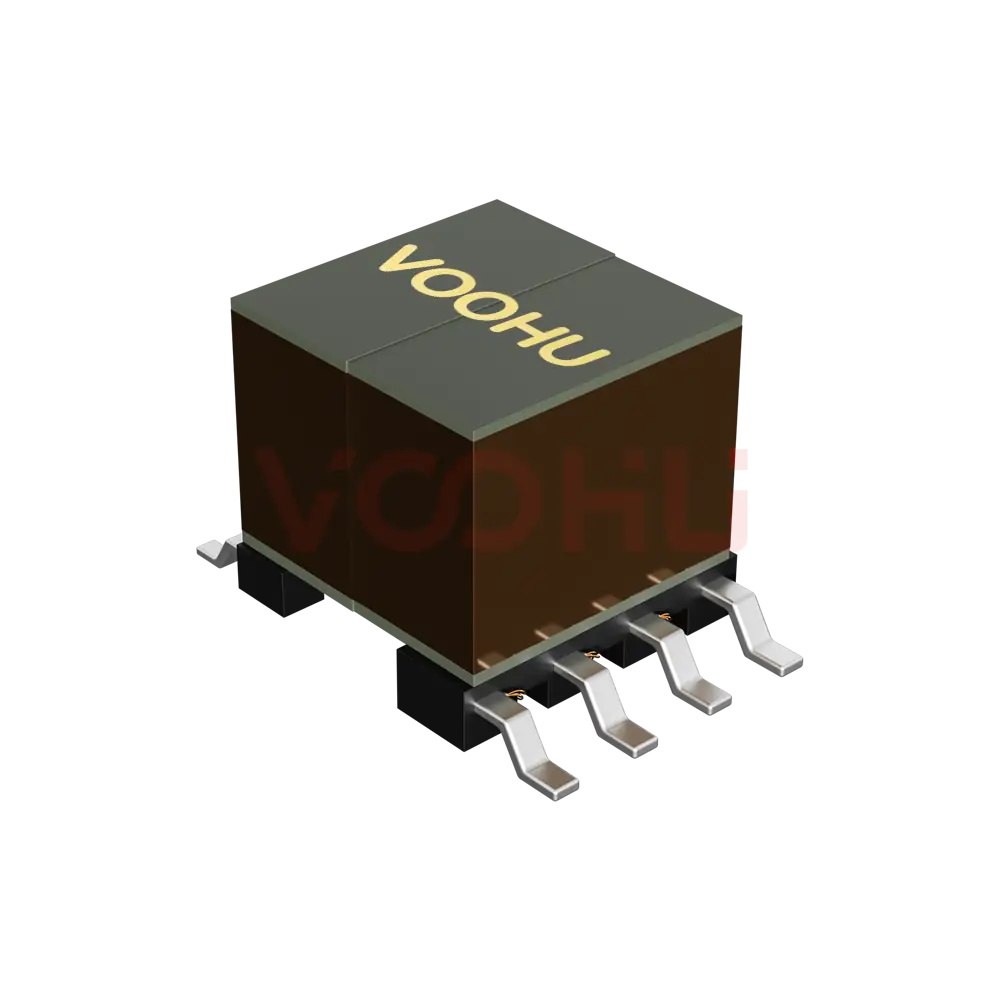
ST0880WH EP10-series power12W Output voltage5V POE Power Transformer





Request a Quote
Leave your details and we will send a tailored volume quote.
Our sales team will contact you within 1 business day.
Contact Sales
Reach our sales team for pricing and lead time.

Sales Hotline: +86 133 3865 5578
Email: voohu@voohuele.com
✓
Submitted
We have received your request. Our sales team will contact you within 1 business day.
Product Parameters
Package Size
EP10 Series
Power (W)
12W
Output Voltage (V)
5V
Output Current (A)
≥ 2A
Solution
Ethernet

SPE

CAN

RS485

LVDS

Isolated SPI

PoE

Push-Pull Converter

Product Recommend
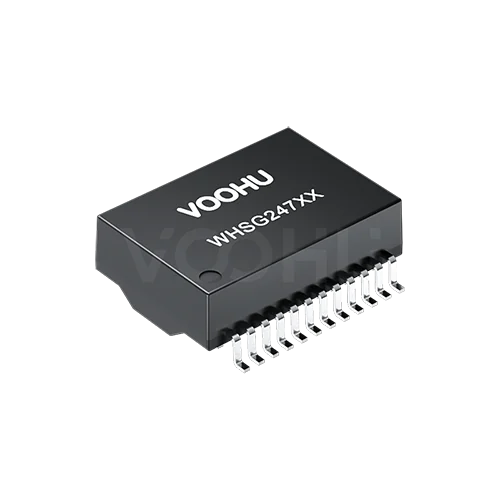
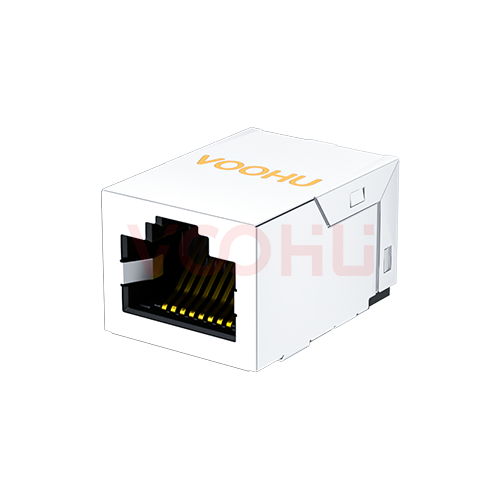
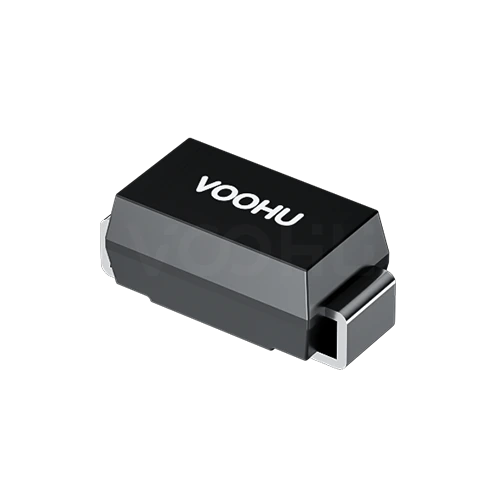
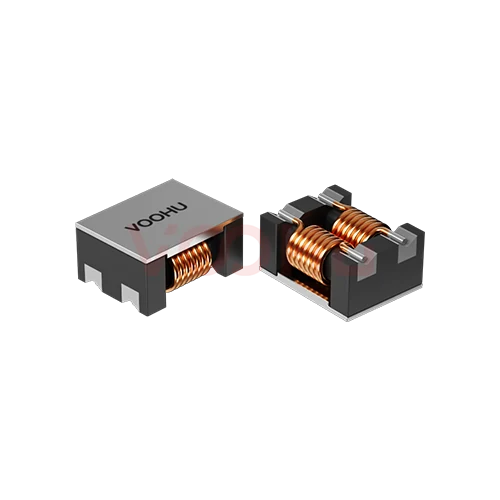
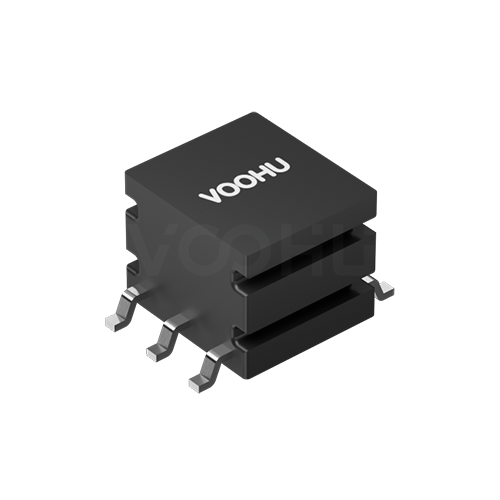
Technical Resources and Design Support
We also provide professional technical support and document download services, including: package library download, datasheet download, reference circuit design materials, 3D model download, etc.
For technical assistance, please click the button below to add customer service or visit the sample request page to fill out the form. We will serve you as soon as possible.
Technical Support Email: fae.thorne@voohu.cn Phone: +86 400-1048-018
For technical assistance, please click the button below to add customer service or visit the sample request page to fill out the form. We will serve you as soon as possible.
Technical Support Email: fae.thorne@voohu.cn Phone: +86 400-1048-018
Quality Certifications
We strictly control product quality, including strict control of manufacturer qualifications, quality control processes and production process standards, and compliance with various certifications and safety standards. Currently, our products comply with industry standards and mainstream quality certifications, such as ISO 9001, ISO 14001, CE, RoHS, REACH, UL, etc.
For more details, please visit the Download Center to get documents or click the button below to add customer service. We will serve you as soon as possible.
For more details, please visit the Download Center to get documents or click the button below to add customer service. We will serve you as soon as possible.





Get a Quote or Samples
Whether you need sample testing, bulk purchasing or customized solutions, our sales team will respond quickly.
For small-volume orders, you can place orders directly on VOOHU Shop. We support VAT general/special invoices with a convenient and efficient process.
For technical assistance or sample requests, please click the button below to add customer service or visit the sample request page to fill out the form. We will serve you as soon as possible.
Customer Service Email: song.lei@voohu.cn Phone: +86 180 2130 1120
For small-volume orders, you can place orders directly on VOOHU Shop. We support VAT general/special invoices with a convenient and efficient process.
For technical assistance or sample requests, please click the button below to add customer service or visit the sample request page to fill out the form. We will serve you as soon as possible.
Customer Service Email: song.lei@voohu.cn Phone: +86 180 2130 1120