WHACM15A60R1521513
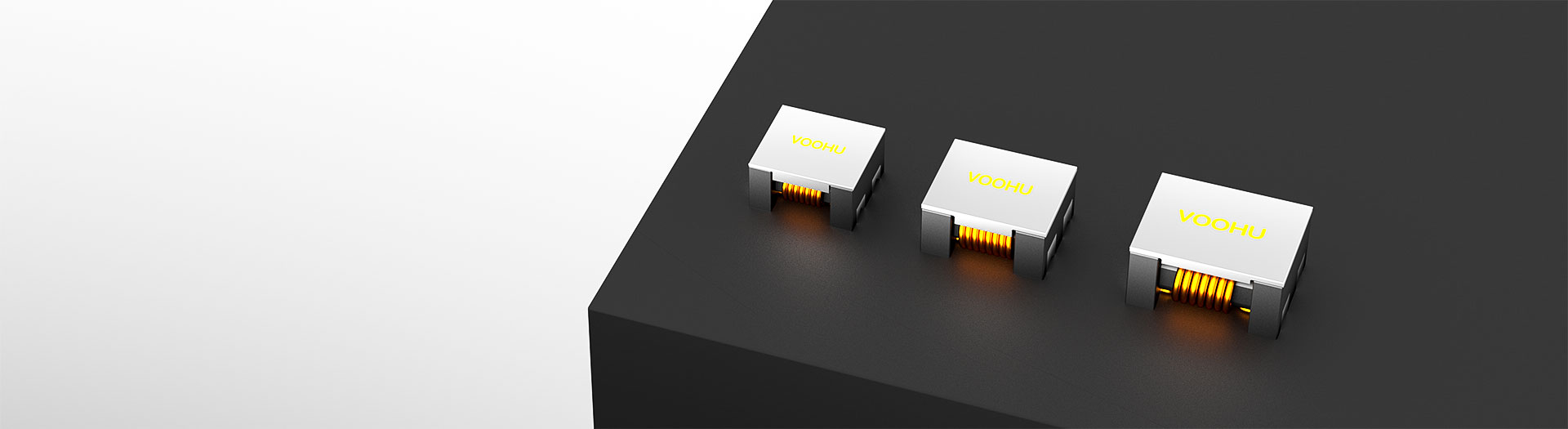
Inductor products
WHAL1513A Common Mode Chokes
WHAL1513A steps up from the 1211 band, giving more winding space and generally more current capability. The trade is board area and height, so confirm both against the layout before you commit to the larger part.
Part number search & selector
Find WHAL1513A Common Mode Chokes part numbers
The table uses the current English-site product records, published selection fields and part-specific technical-file links.
* Frozen Image and Part Number columns · drag horizontally to review all specifications
| Image | Datasheet | Compare | Downloads |
Dimensions(L*W*H MAX)
|
Z(Ω) 100MHz/0.1V Min.
|
Z(Ω) 100MHz/0.1V Ref.
|
DC Resistance (mΩ) Max.
|
Rated DC Current (A)Max.
|
Insulation Resistance (MΩ)Min.
|
Rated Voltage (V)Max.
|
Sample |
|---|
| Image | Part number | Datasheet | Compare | Downloads | Dimensions(L*W*H MAX) | Z(Ω) 100MHz/0.1V Min. | Z(Ω) 100MHz/0.1V Ref. | DC Resistance (mΩ) Max. | Rated DC Current (A)Max. | Insulation Resistance (MΩ)Min. | Rated Voltage (V)Max. | Sample |
|---|---|---|---|---|---|---|---|---|---|---|---|---|
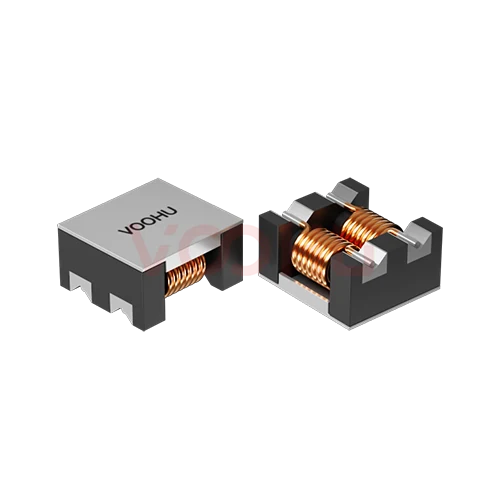 |
WHACM15A60R152 | SPEC | 1513 | 1200 | 1500 | 23 | 5 | 10 | 80 |
|
||
|
|
WHACM15A60R102 | SPEC | 1513 | 800 | 1000 | 10 | 9 | 10 | 80 |
|
||
|
|
WHACM15A60R701 | SPEC | 1513 | 500 | 700 | 7 | 10 | 10 | 80 |
|
||
|
|
WHACM15A60R501 | SPEC | 1513 | 400 | 500 | 6 | 10 | 10 | 80 |
|
||
|
|
WHACM15A60R301 | SPEC | 1513 | 225 | 300 | 5 | 13 | 10 | 80 |
|
No matching part numbers
Broaden the selected filters or clear the current search.
By series
Power line common mode choke families
Families differ in construction and size band, which sets impedance and current together.
01WHAL1211A Series7 part numbers
02WHPL1211A SERIES7 part numbers
03WHAL1513A Series5 part numbers
04WHAL4520A Series14 part numbers
05WHAL7060A Series8 part numbers
06WHAL9070A Series6 part numbers
07WHACM07A40R Series8 part numbers
08WHACM09A50R Series6 part numbers
09WHACM12A65R Series7 part numbers
10WHACM15A60R Series5 part numbers
How to select
Selection guide for Power Line Common Mode Chokes
Selection steps, parameter explanations and the series comparison for Power Line Common Mode Chokes are on one page. Confirm the series there, then use this list for part numbers, files and samples.
Documents
Common mode choke datasheets and drawings
Datasheets carry the impedance curve, current rating and recommended land pattern.
Showing representative available file sets. Search to find a specific SKU.
- 5
- PDF datasheets listed
- 0
- 3D file sets listed
- 0
- PCB footprints listed
VOOHU’s published product content is reviewed by its engineering team. Specifications, downloads and technical support information are tied to specific part numbers, so you can verify them before requesting samples or a quotation.
FAQ
Common mode choke questions engineers ask
Answers cover how the choke works, how to read impedance and where it belongs.
What does stepping up from 1211 to 1513 give me?
More winding and core volume, which usually means higher current capability, lower DC resistance for a given inductance, or a higher impedance peak. Which of those you actually gain depends on the specific part, so compare the datasheets rather than assuming bigger is uniformly better.
When is the larger size worth the board area?
When the smaller band cannot cover your failing frequency with enough impedance, or when its rated current does not leave margin at the real ambient temperature, or when DC resistance drops the rail too far at full load. If none of those apply, the smaller part is the easier choice.
Does a bigger core move the impedance peak?
Often, yes. More turns and more core material tend to shift the peak toward lower frequencies. That can help or hurt depending on where your emission scan fails, which is why the curve matters more than the headline figure. Read the curve at your band.
What changes in the layout when I move up a size?
Footprint, height and the clearance to neighbouring parts all change, and the current path through the filter may need rerouting. Check the recommended land pattern and the keep-out, then re-run the emission scan, because moving a filter component changes the measured result.
How do I request samples or a quote?
With a complete part number, send the part number, quantity, delivery region and the date you need it. If you are still selecting, send the line current, the frequency band where your scan fails and the board space available, and a sales engineer will confirm candidates first.
Engineer support
Continue after product selection
Send the candidate part number and the condition you need reviewed. Sample support can be added after the selection is clear; commercial questions may be discussed in the same engineering conversation.
- 1Selected part numbers
- 2Engineering review
- 3Sample request
- 4Commercial discussion
For a replacement review
- Original part and datasheet
Include the document revision
- Operating conditions
Temperature, isolation voltage and PoE current basis
- Package constraints
Pin count, pitch and spacing between pin rows
- Project stage and annual volume
To help prioritize samples and evaluation
- Target review date
When you need candidates and a comparison of differences
Engineering review identifies candidate parts and explains the differences.
For samples and a quotation
- Candidate part numbers
From the selector or engineering review
- Quantity and project stage
Prototyping / pilot build / production
- Required delivery date
Specify sample and production timing separately
- Required documentation
Compliance documents, material declarations or third-party reports
Samples are free of charge. Sample quantity and lead time depend on the part number and project stage. Sales will respond on business days.
Published replacement reviews
Push-Pull Transformer Selection Comparison: VOOHU WHST06Q02E0 vs. Würth Elektronik 750316819
View all alternatives