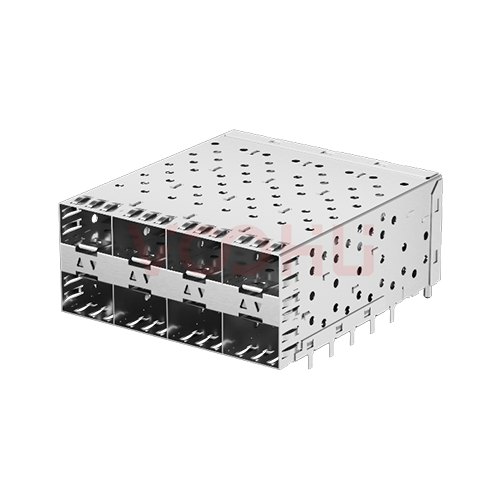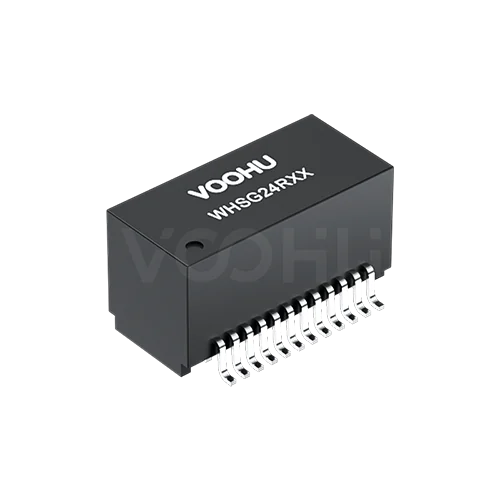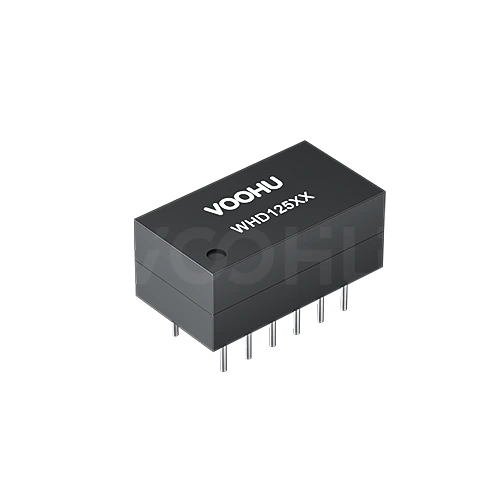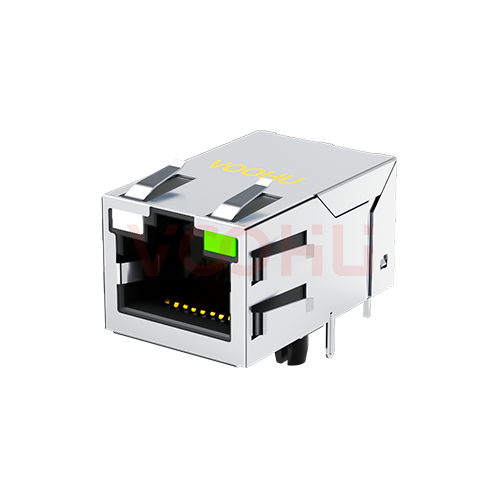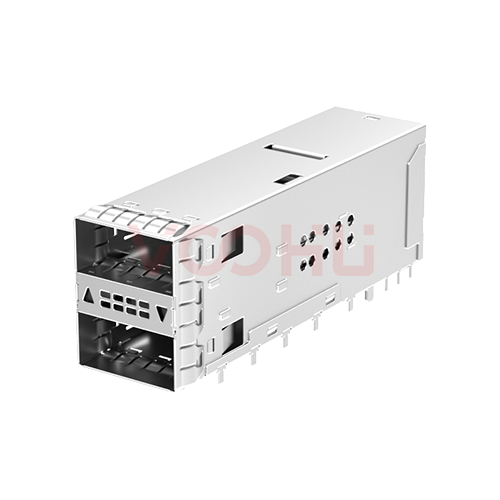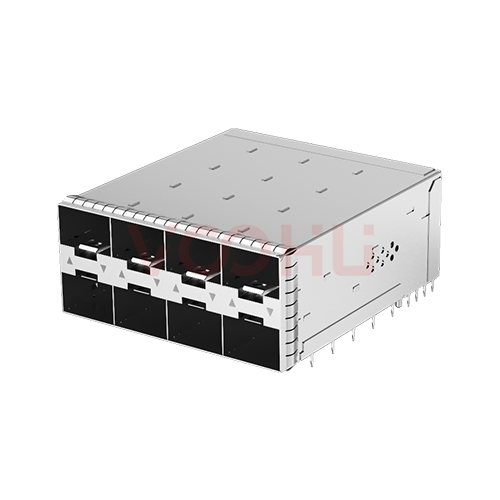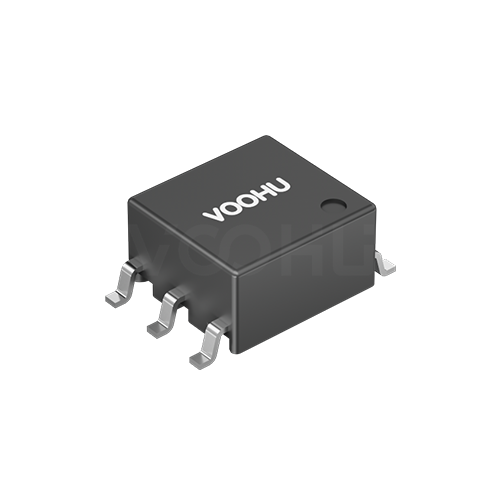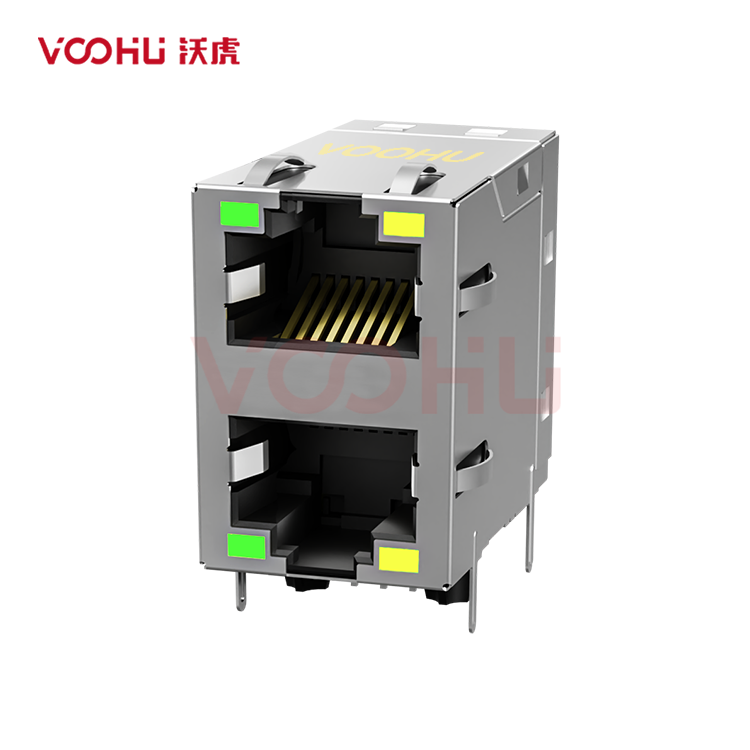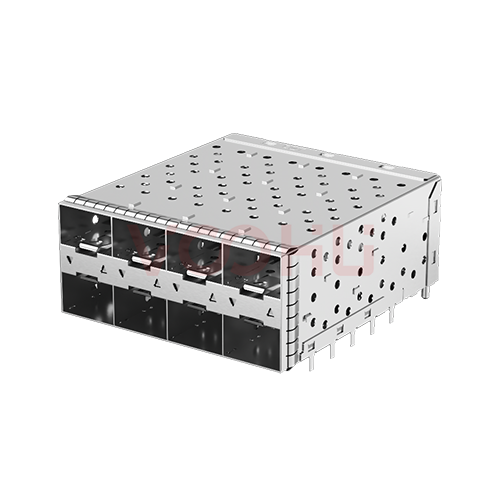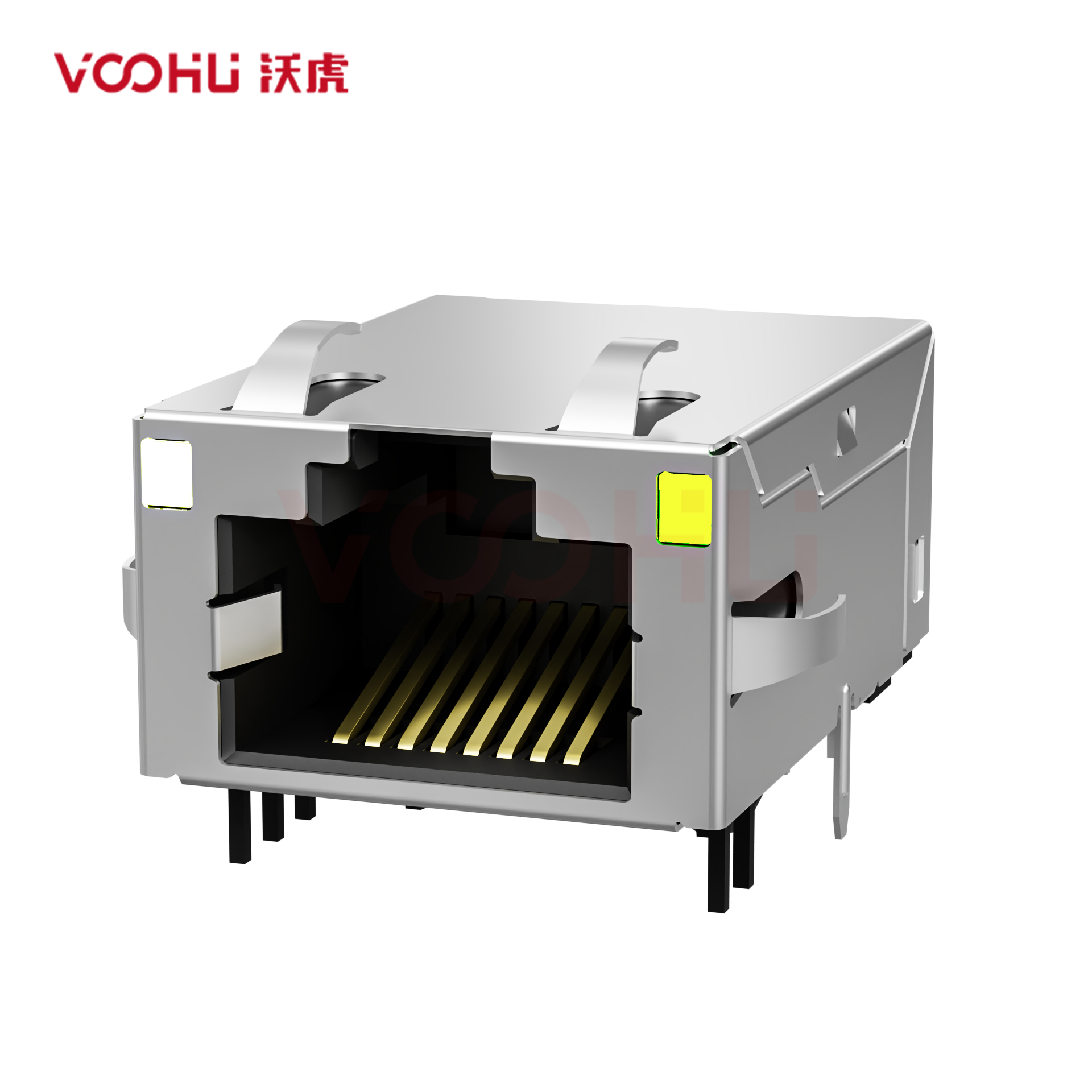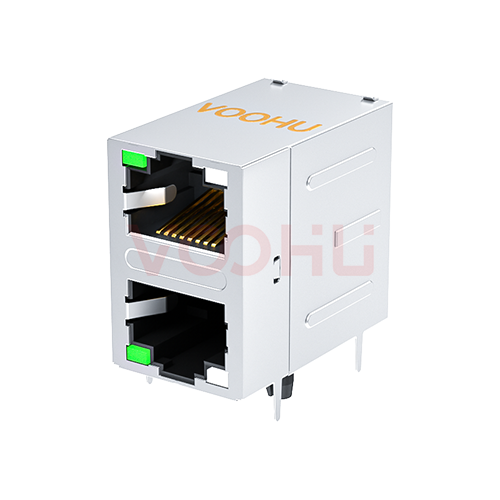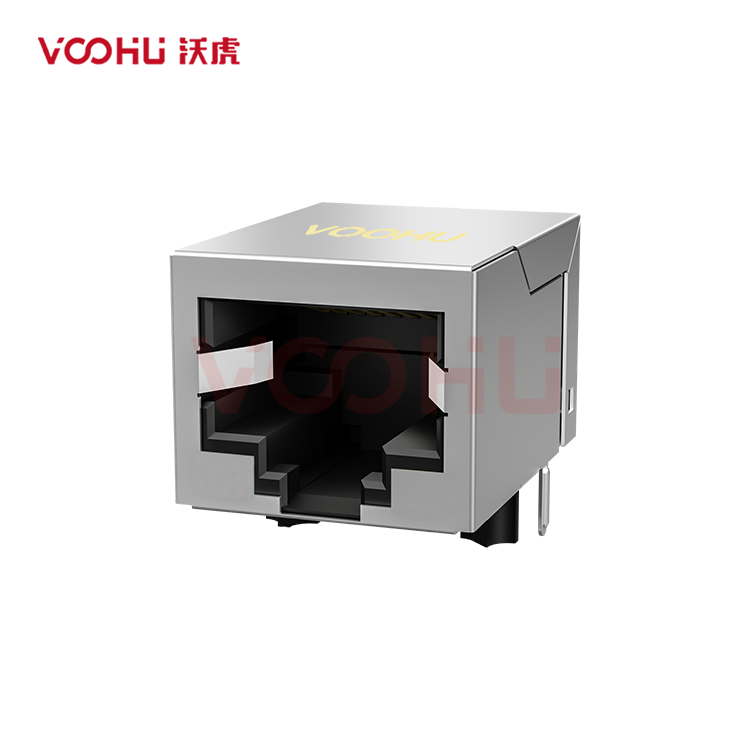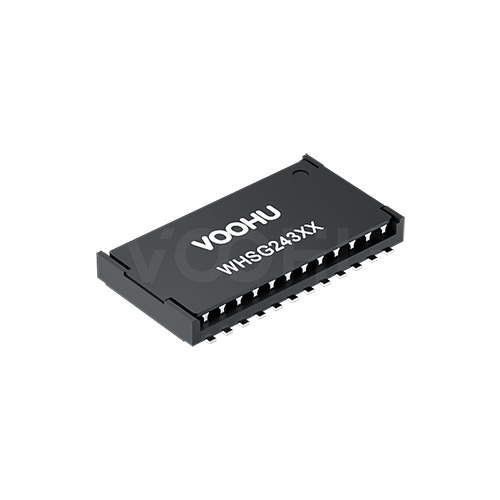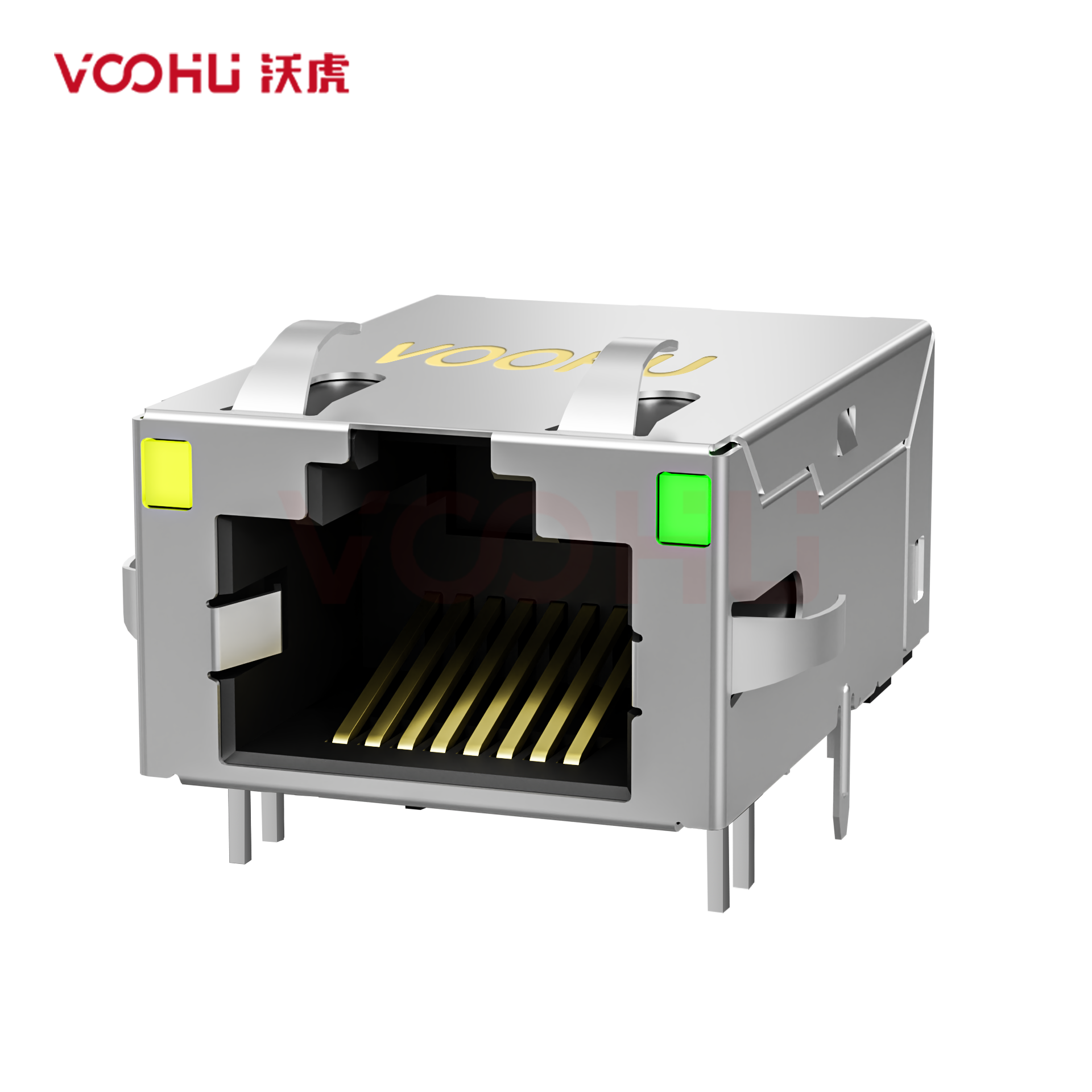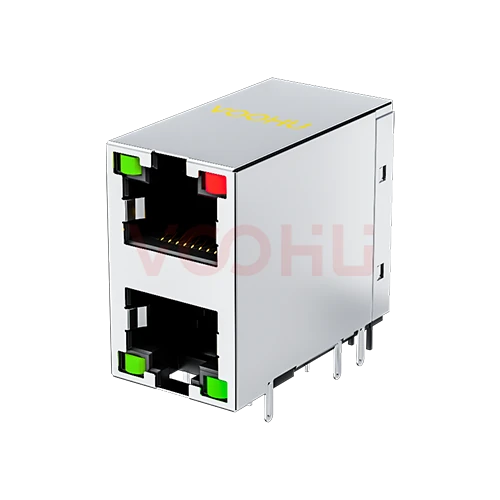

With our excellent administration, strong technical capability and strict excellent control method, we carry on to offer our clients with responsible good quality, reasonable costs and great companies. We intention at becoming considered one of your most responsible partners and earning your pleasure for power-over-ethernet-transformer4036, 6W power transformer, POE power module, 5W power transformer, POE transformer. All products are manufactured with advanced equipment and strict QC procedures in order to ensure high quality. Welcome customers new and old to contact us for business cooperation. With the effort to keep pace with world's trend, we will always endeavor to meet customers' demands. If you want develop any other new products, we can customize them for you. If you feel interest in any of our products or want develop new products, please feel free to contact us. We are looking forward to forming successful business relationship with customers all over the world. 5W power transformer, POE power transformer, network port 1x5 90° Downward No LED, 25W power transformer.
1. Competitor Product Overview (Pulse Electronics)
Pulse Electronics (a YAGEO Company) is a world-leading manufacturer of networking magnetic components. The HX1234NL (Tape & Reel: HX1234NLT) is a 10/100Base-TX transformer module designed for Auto MDI/MDI
Overview of Ethernet Interface Hardware Architecture
A typical Ethernet hardware interface consists of the following parts:
CPU/MCU: Main control system, responsible for upper-layer protocol processing.
MAC (Media Access Control): Media access contr
From the center tap, Bob Smith terminal to PCB layout, the system sorts out the most common pitfalls of the Ethernet port, and provides selection suggestions based on VOOHU full-rate network transformers and supporting components.
A push-pull DC/DC converter, or simply push-pull converter, is a power electronic device that uses two power switching transistors to alternately switch on and off to achieve DC/DC conversion. It can be viewed as a combination of two single-transistor for
The following is a detailed analysis of the differences and design considerations between voltage-based PHY and current-based PHY in network transformer applications, combined with actual scenarios and technical requirements:
─────────────────────────────
The quality of the products is very good, especially in the details, can be seen that the company work actively to satisfy customer's interest, a nice supplier.
The accounts manager made a detailed introduction about the product, so that we have a comprehensive understanding of the product, and ultimately we decided to cooperate.