
WHYTA0412 series Inductance Value 0.15-4.7uH DCR 9-195mΩ IRMS 1.8-7.5A ISAT 2.2-15A Integrated Molded inductor
Molded Inductor
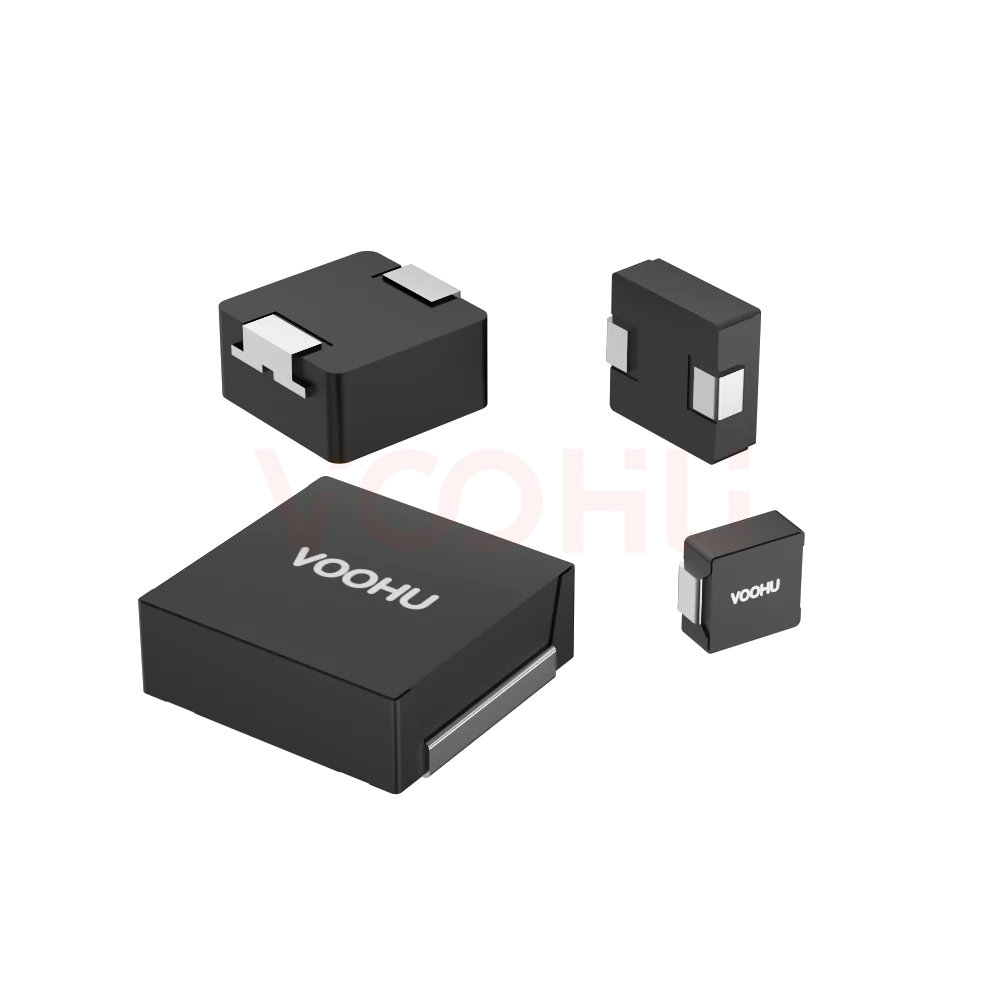
WHYTA0412 series Molded Inductor
Left click: Rotate | Right click: Pan | Scroll: Zoom





When you click Get a Quote or Samples or Add to Inquiry, part number WHYTA0412 series is filled in automatically.
Request a Quote
Leave your details and we will send a tailored volume quote.
Our sales team will contact you within 1 business day.
Contact Sales
Reach our sales team for pricing and lead time.

Sales Hotline: +86 133 3865 5578
Email: voohu@voohuele.com
✓
Submitted
We have received your request. Our sales team will contact you within 1 business day.
01Specifications
WHYTA0412 series specifications
ParameterValue
Package Size
WHYTA Series
Dimensions (L×W×H)
4.4*4.2*1.0mm
Inductance Value
0.15-4.7uH
DCR(mΩ)
9-195mΩ
IRMS
1.8-7.5A
ISAT
2.2-15A
Values are taken from published parameters; the datasheet prevails.
WHYTA0412 seriesNeed samples, or a value that is not in this table? Ask our FAE team.
Get a Quote or Samples
+ Add to Inquiry
02Documents
Datasheet, CAD and reports
-
WHYTA0412 series Datasheet (PDF)2024-12-20 · This part Download ↓
-
Quality certificates (ISO / RoHS / REACH)Latest · All products View →
WHYTA0412 seriesNeed another file format, or samples to test? Ask our FAE team.
Get a Quote or Samples
+ Add to Inquiry
03Quality
Quality and compliance
DocumentNo.Issued / tested byDateApplies toActions
Certificate
Certificate · Company
ISO 9001:2015No. 19826Q02503R101
Quality management systemBeijing Xinjiyuan Certification Co., Ltd.Valid 2026-10-17 to 2029-10-16
19826Q02503R101
Beijing Xinjiyuan Certification Co., Ltd.
Valid2026-10-17 to 2029-10-16
Company
View PDF →
Verify →
Scope: R&D and sales of precision electronic connectors
Certificate
Certificate · Company
ISO 14001:2015No. 19826E01323R101
Environmental management systemBeijing Xinjiyuan Certification Co., Ltd.Valid 2026-10-17 to 2029-10-16
19826E01323R101
Beijing Xinjiyuan Certification Co., Ltd.
Valid2026-10-17 to 2029-10-16
Company
View PDF →
Verify →
Scope: R&D and sales of precision electronic connectors ISO certificates cover VOOHU's management systems.
04Compare
Same-series Comparison
Red marks values that differ from this part; data from the published parameters of each part.
Package Size
WHYTA Series
WHYTA Series
WHYTA Series
Dimensions (L×W×H)
4.4*4.2*1.0mm
4.4*4.2*1.8mm
5.4*5.2*1.6mm
Inductance Value
0.15-4.7uH
0.1-10uH
0.47-10uH
DCR(mΩ)
9-195mΩ
4-282mΩ
9-155mΩ
IRMS
1.8-7.5A
1.6-13A
2.5-10.5A
ISAT
2.2-15A
2-22A
3-15.5A
WHYTA0412 seriesNot sure which part in the series fits? Ask our FAE team which one to sample.
Get a Quote or Samples
+ Add to Inquiry
05Support
Talk to an engineer
01Replace your current partShare the part number you use today. An engineer compares pinout, package, electrical parameters and temperature range item by item, and lists the differences and open points.Start a replacement review →
02Does it match my PHY?Already chosen a PHY? See reviewed reference designs, or send your parameters and an engineer will match the RJ45 and protection parts.See matching options →
03Unstable link after useSeeing link drops, interference or failed tests? Send us the symptoms and conditions and get an FAE-reviewed troubleshooting checklist.Start troubleshooting →
REQUEST TYPE
Choose a Request Type and Fill in the Fields
Request Submitted
An engineer will contact you within 1 business day using the details you provided.
Typical application