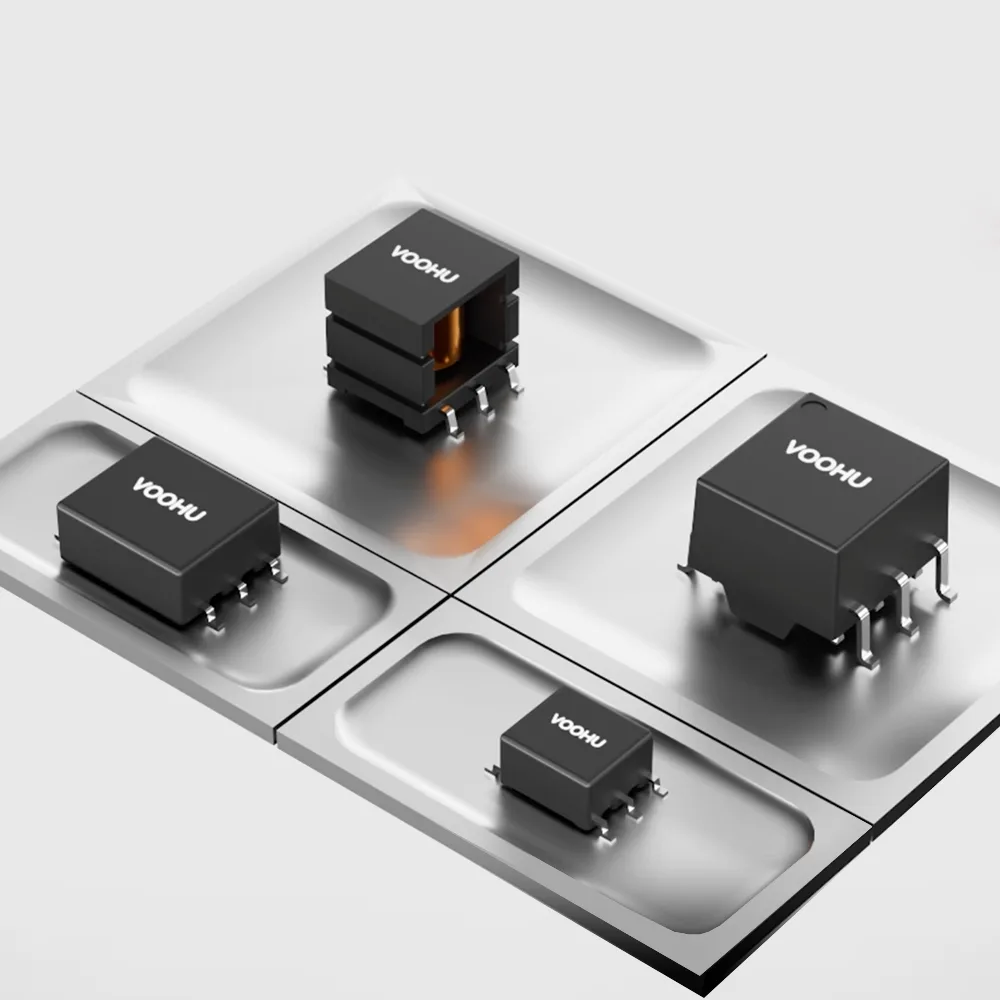
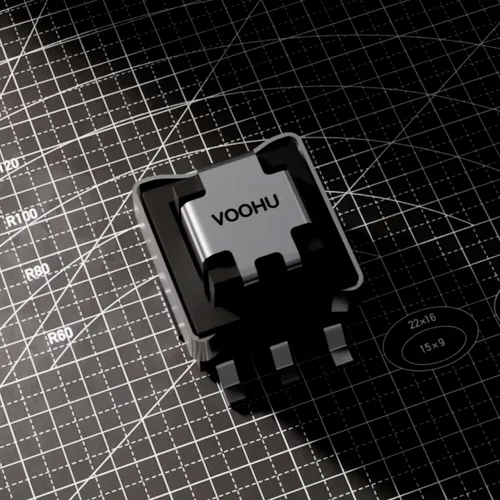
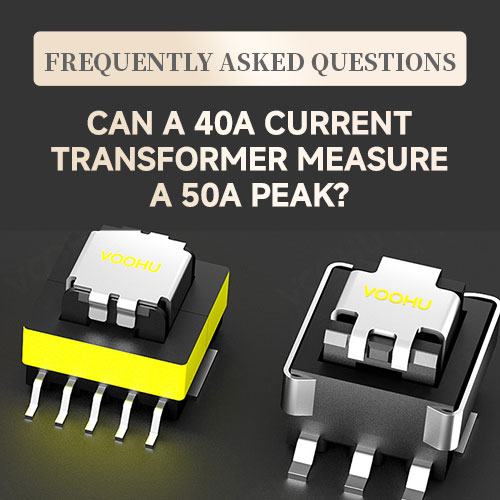
#1、 Device Introduction
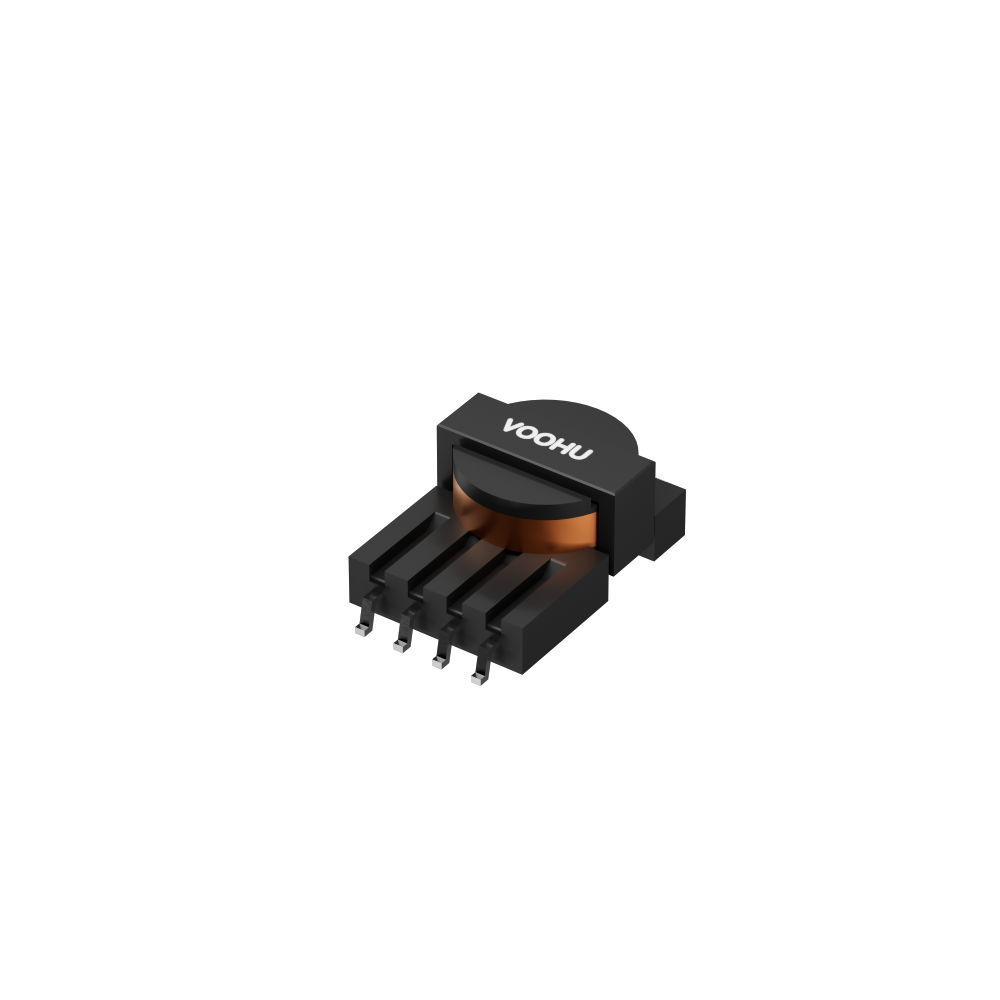
A current transformer (CT) is a device used to measure and protect the current in a circuit. It converts high current into low current through the principle of electromagnetic induction for the purpose of measuring and protecting circuits. Current transformers are widely used in fields such as power systems, industrial automation, and intelligent instruments.
2、 Working principle of current transformer
The working principle of current transformers is based on Faraday's law of electromagnetic induction. When a current passes through the primary winding of a current transformer, magnetic flux is generated in the iron core, which induces current in the secondary winding. By selecting the appropriate turns ratio, the primary current can be converted into a low current suitable for measurement and protection.
- Primary winding: connected to the tested circuit, carrying the tested current.
- Secondary winding: connected to measuring instruments or protective devices, outputting low current signals.
- Iron core: used to enhance magnetic field and improve induction efficiency.
#3、 Types of current transformers
Measurement current transformer:
- Purpose: Used for measuring current in circuits.
- Features: High precision, good linearity, able to provide accurate current measurement signals.
Application: Electric meters, smart meters, etc. in the power system.
Protective current transformer:
- Purpose: Used to protect circuits, detect overcurrent and short circuit faults.
- Features: Able to withstand high current surges, fast response speed, and protect circuits from damage.
- Application: Circuit breakers, relays, and other protective devices.
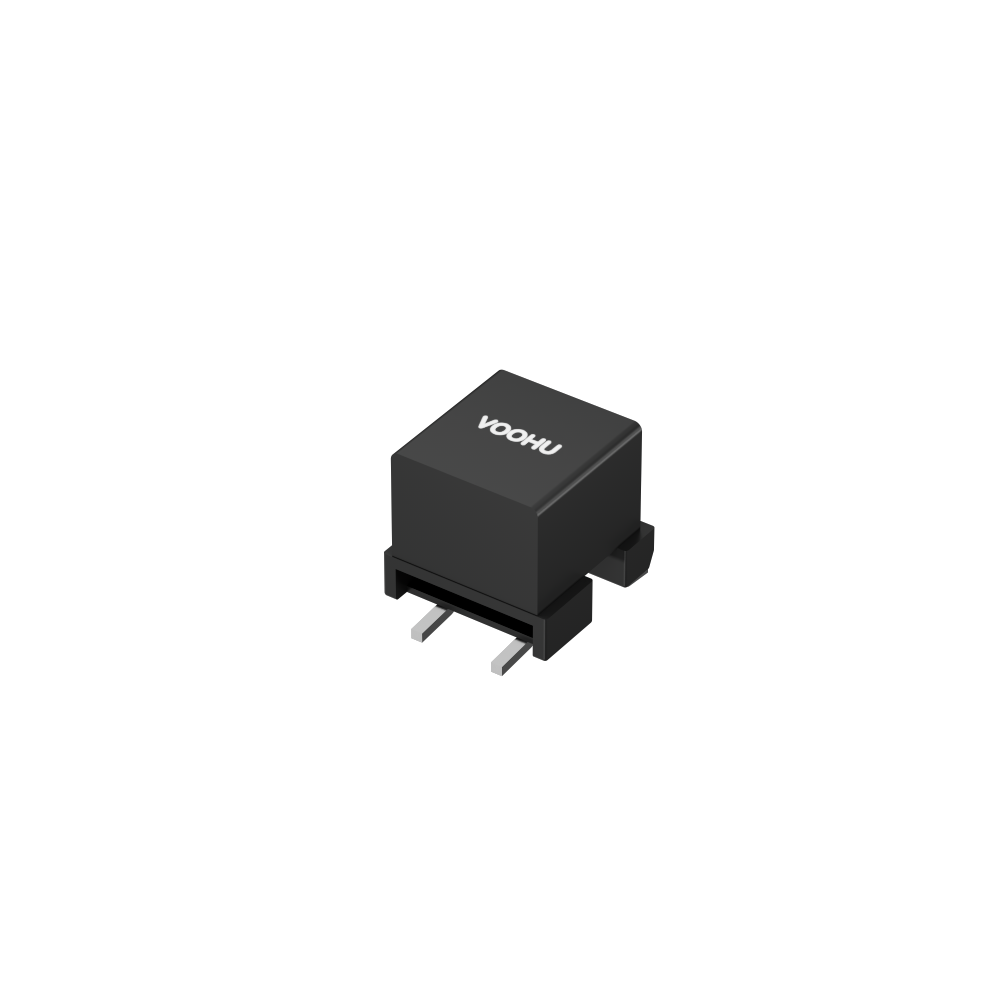
4、 Selection parameters of current transformers
Rated current ratio (I1/I2):
Definition: The ratio of primary current to secondary current.
- Selection: Choose the appropriate rated current ratio based on the current range of the tested circuit. For example, for a circuit with a rated current of 100A, a current transformer with a rating of 100A/5A can be selected.
Rated voltage (V):
Definition: The maximum voltage that a current transformer can withstand.
- Selection: Choose the appropriate rated voltage based on the voltage level of the tested circuit. For example, for industrial circuits with a voltage of 380V, a current transformer with a rated voltage of 380V can be selected.
- Accuracy level:
Definition: Measurement accuracy of current transformers.
- Selection: Choose the appropriate precision level according to the application requirements. For high-precision measurement, a current transformer with a rating of 0.2 or 0.5 can be selected.
- Rated frequency (Hz):
Definition: The frequency range within which a current transformer can operate normally.
- Selection: Choose the appropriate rated frequency based on the frequency of the tested circuit. For example, for a 50Hz AC circuit, a current transformer with a rated frequency of 50Hz can be selected.
#5、 Application of Current Transformers
- Power system:
- Purpose: To measure and protect the current in high-voltage transmission lines.
- Applications: Electric meters, relays, circuit breakers, etc.
- Industrial automation:
- Purpose: To measure and protect the current in industrial equipment.
- Application: frequency converter PLC、 Sensors, etc.
Intelligent instrument:
- Purpose: To measure and display the current in a circuit.
Applications: smart meters, smart water meters, etc.
In the field of new energy:
- Purpose: To measure and protect the current in solar and wind power generation systems.
Applications: inverters, energy storage systems, etc.
6、 Installation and maintenance of current transformers
- Installation:
- Grounding: Ensure that the secondary winding of the current transformer is reliably grounded to provide a low impedance path and protect the circuit from high voltage effects.
- Layout: During installation, try to place the current transformer as close as possible to the tested circuit to reduce measurement errors.
- Wiring: Ensure correct wiring to avoid short circuits and open circuits.
- Maintenance:
- Regular inspection: Regularly inspect the appearance and wiring of the current transformer to ensure that it is not loose or damaged.
- Calibration: Regularly calibrate the current transformer to ensure measurement accuracy.
- Testing: Conduct regular tests, including insulation resistance testing and load testing, to ensure the performance of the current transformer.
7、 Summary
Current transformer is an important electrical equipment widely used in power systems, industrial automation, intelligent instruments, and new energy fields. By selecting and using current transformers reasonably, it is possible to effectively measure and protect the current in the circuit, ensuring the stable operation of the system. During installation and maintenance, attention should be paid to grounding, layout, and wiring, and regular inspections and calibrations should be conducted to ensure the performance and reliability of the current transformer.
Need a quote, samples or selection support?
Fill in the part number, quantity and lead time. Samples are available for evaluation, and selected parts are free of charge. Our FAE team will be glad to confirm the options for your project. Not sure about a parameter? Enter "Not sure". Need something non-standard? Choose Custom Design.
Before you order: samples, MOQ, lead time and import duties in our ordering guide →