



Common Mode Choke 0805, 1210 and 1812 Sizes: How to Choose a Package
Signal line common mode chokes come in several chip sizes, and three common ones are 0805 (metric 2012, about 2.0 × 1.2 mm), 1210 (metric 3225, about 3.2 × 2.5
Technical articles and news about Common Mode Chokes, newest first.
Signal line common mode chokes come in several chip sizes, and three common ones are 0805 (metric 2012, about 2.0 × 1.2 mm), 1210 (metric 3225, about 3.2 × 2.5
A CAN bus common mode choke is optional. Many CAN transceivers are designed to meet EMC requirements without one, so fit a choke when a node with a clean layout
The current rating on a common mode choke datasheet is the maximum continuous current the windings can carry, and it is best read as a heating limit, not a satu
A ferrite bead and a common mode choke both add impedance at high frequency, but they treat the signal differently. A ferrite bead sits in one conductor and add
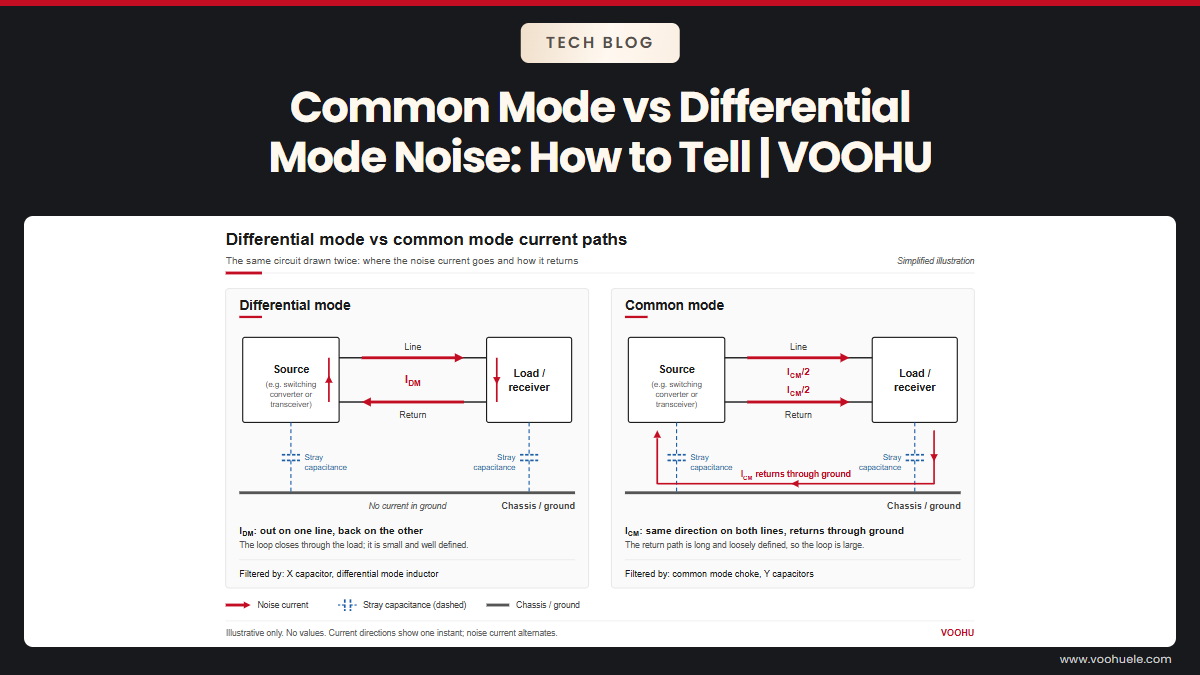
Differential mode noise travels the same way as the wanted signal or supply current: out on one conductor and back on the other. Common mode noise flows in the
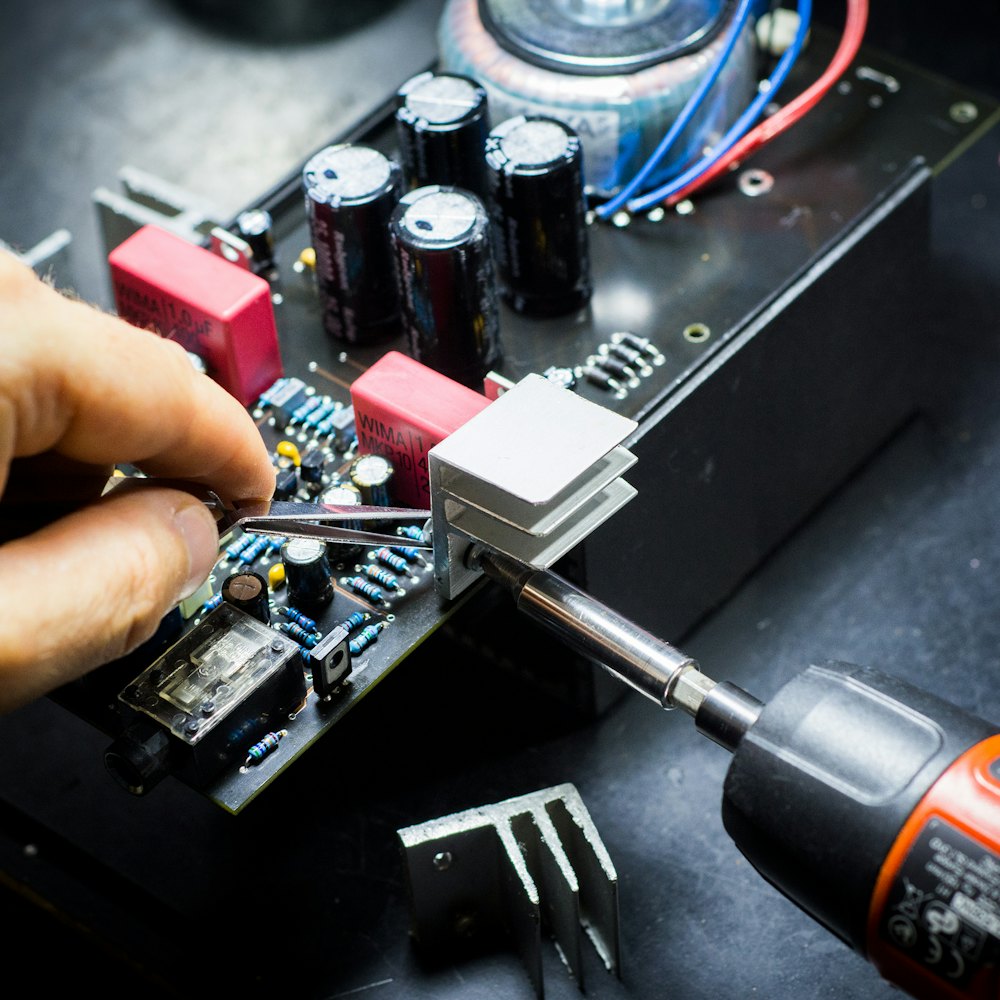 Tech BlogWhat Is a Common Mode Choke and How Does It Work?
A common mode choke (CMC) is an inductor with two windings on one shared magnetic core, connected in series with a pair of conductors such as a differential dat
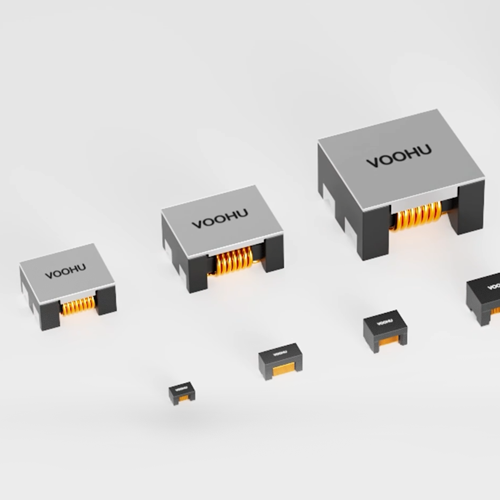
Compare five WHACM15A60R power-line common-mode chokes by 100 MHz impedance, current rating, and DCR to build a practical shortlist.
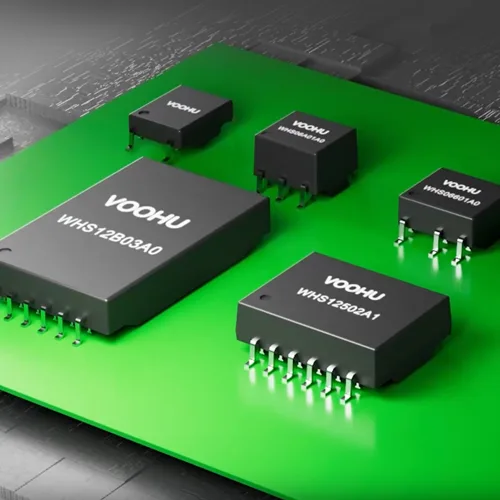
From the aspects of single/dual channel, 600–1600VDC operating voltage, isolation withstand voltage, CMC and chain break waveform, the selection and verificatio
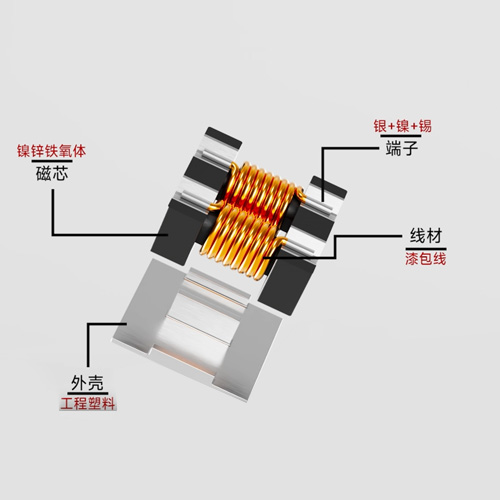
How to choose USB 2.0 common mode inductor? This article explains the difference between common mode impedance and 90Ω differential impedance, differential inse
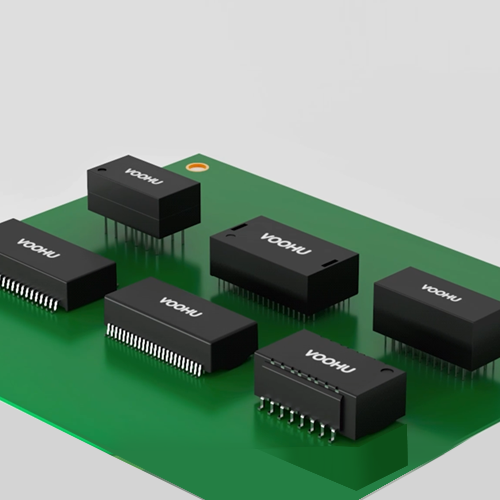
Starting from the reference plane, mixed-mode port and fixture calibration, explain how to test the return loss, insertion loss and common mode characteristics
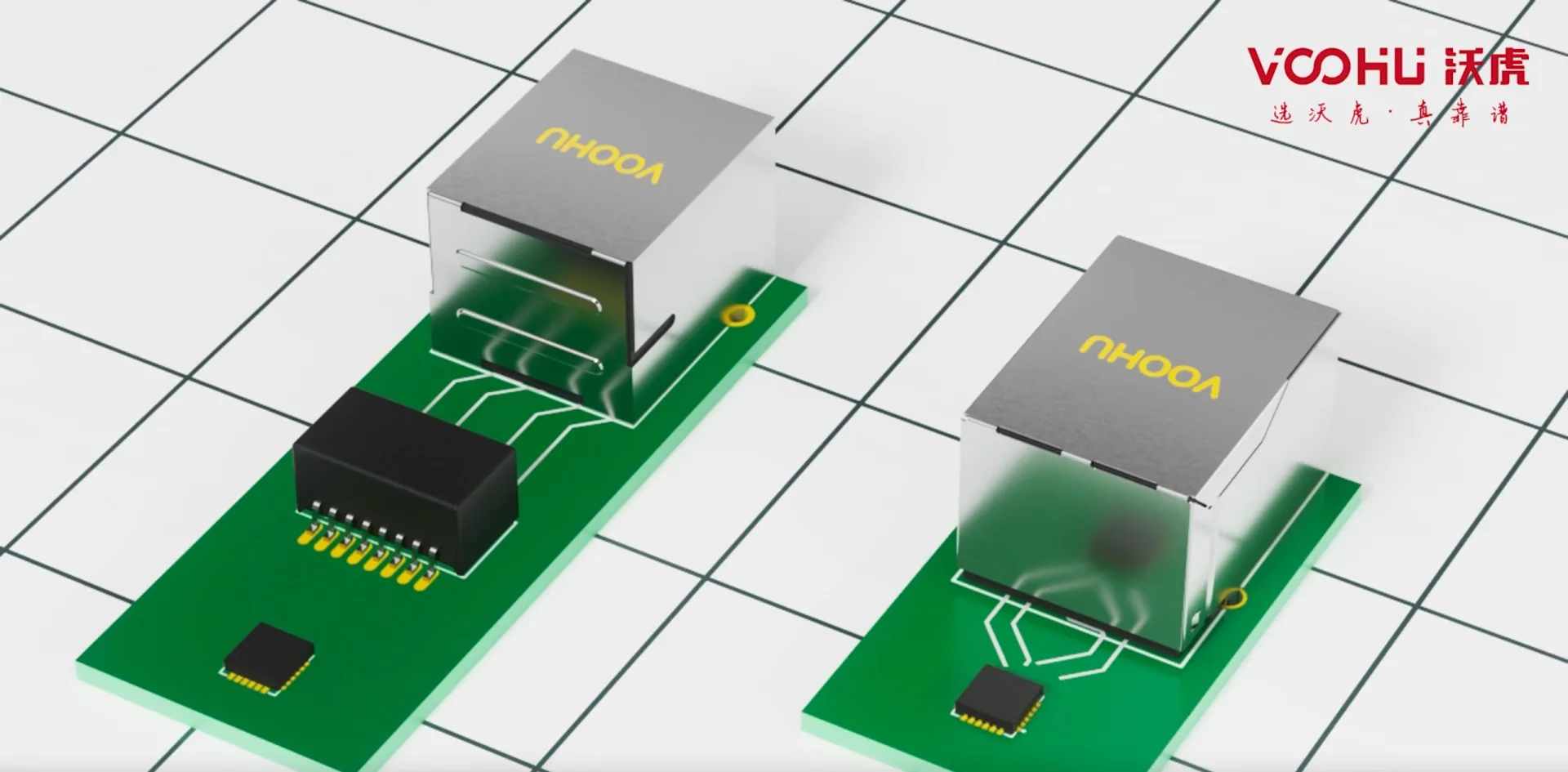
Industrial port "fine cold, drops hot"? This article shows how temperature changes LAN-transformer OCL/DCR and choke impedance, with a -40 to +85 °C wide-temper
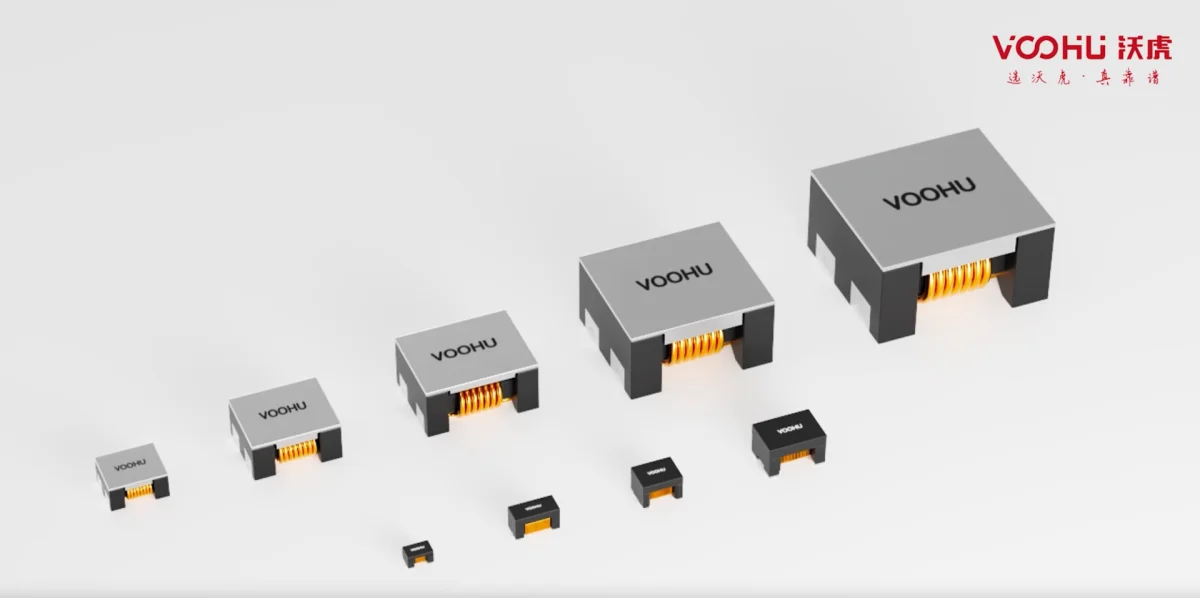
The conduction disturbance (CE) at the power supply end exceeds the standard, but it doesn’t move even after adding a common mode inductor? VOOHU explains the c
Send us part numbers and quantities, or your interface, speed and package requirements. We will quote, and our FAE team can suggest suitable parts and help check the design.
 Scan with your phone to chat on WhatsAppMon–Fri 8:30–18:00 (UTC+8)Emailvoohu@voohuele.com
Get new articles in your inbox. Unsubscribe at any time.