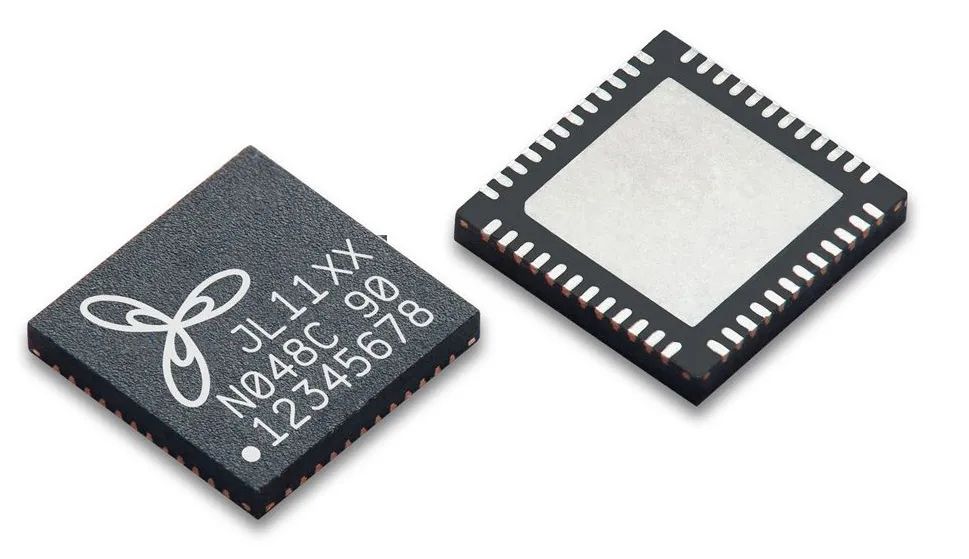
Optical module is one of the core components of optical communication, from 2000 to the present, the optical communication industry has gone through two major development periods, and is currently in the third stage of development. Today, the optical module industry has a development history of about 25 years, and before the 90s, the optical module has not yet formed an industry concept; In the first 10 years of the 21st century, the optical module industry has entered the initial stage of development; After 2020, the technological upgrade of the optical module industry will be further accelerated. With the advent of the digital era and the rapid development of the Internet industry, the development of the network communication equipment industry is gradually accelerating. As an important part of network equipment, optical modules are also constantly innovating and developing.
At present, China has always adhered to the policy of opening up to the outside world, and in recent years, the national level has issued a number of related trade policies such as the "Belt and Road". Moreover, China's communication enterprises are actively exploring and entering overseas markets, especially in Asia, Africa and other markets have formed a scale effect, driven by this, it is expected that China's domestic and foreign optical module markets will continue to expand in the future, and the industry is expected to usher in a rising period.
Overview of optical modules
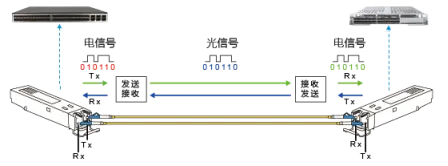
Optical module is an optoelectronic device that carries out photoelectric and electro-optical conversion, simply put, the function of optical module is photoelectric conversion, the sending end converts the electrical signal into an optical signal, and after transmitting it through the optical fiber, the receiving end converts the optical signal into an electrical signal. Generally, optical modules are composed of optoelectronic devices, functional circuits, and optical interfaces, while optoelectronic devices include two parts: transmitting and receiving.
Optical module packaging
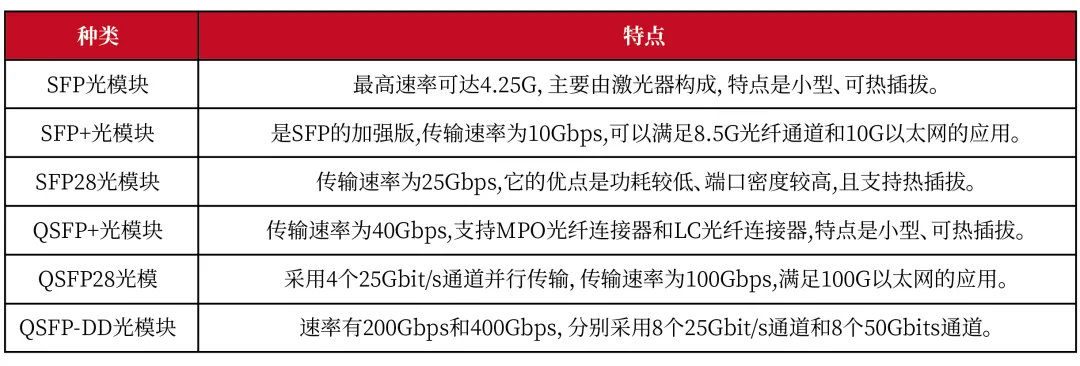
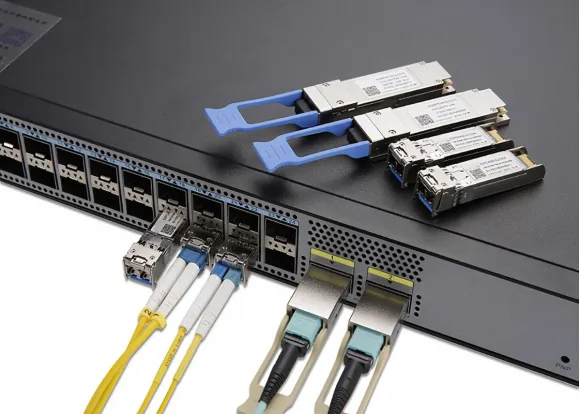
In order to adapt to different application requirements, optical modules with different parameters and functions have come into being. In terms of classification, optical modules are mainly divided into the following common types according to the packaging form: SFP, SFP+, SFP28, QSFP, QSFP+, QSFP28, and QSFP-DD.
When discussing the packaging form of optical modules, we have to mention the SFP fiber shield. As an indispensable bridge between optical modules and systems, SFP optical fiber shielding not only ensures the stable access of optical modules, but also provides necessary protection for them, thus ensuring efficient and reliable data transmission. Next, let's take a closer look at the detailed characteristics and applications of SFP fiber shields.
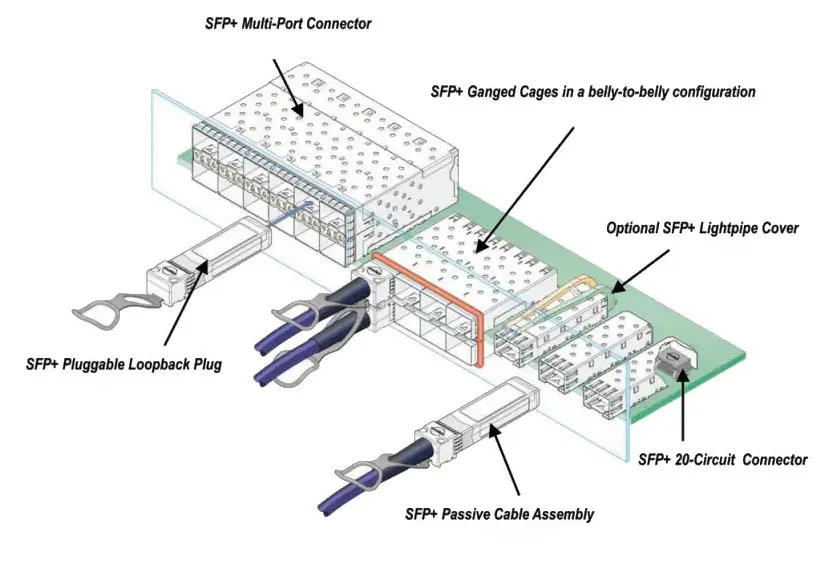
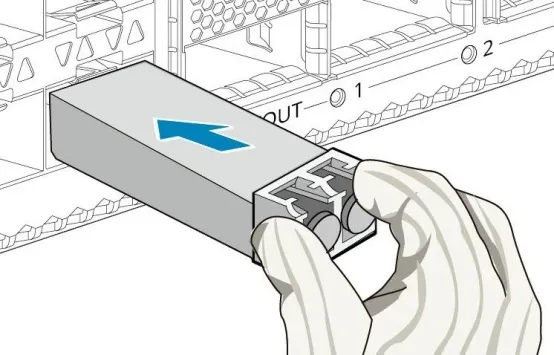
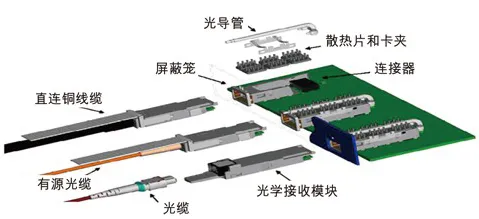
SFP fiber shield cover, also known as SFP fiber connector or SFP fiber cage, is an important component used for data communication network interface, and its main role is to realize the SFP module and motherboard signal connection and SFP module locking.
#1.overview
SFP fiber shield is a component designed to protect SFP (Small Form Factor Pluggable) modules to ensure signal stability and reliability during data transmission. SFP modules are typically used for high-speed data communications, such as Gigabit Ethernet and Fibre Channel.
#2.Common classifications
According to the type of optical fiber: it can be divided into single-mode SFP optical module and multi-mode SFP optical module. Single-mode SFP is suitable for long-distance transmission, while multi-mode SFP is suitable for short-distance transmission.
By connector type: including SFP /SFP+ /SFP28 / QSFP / QSFP28, etc., the latter supports higher data transfer rates.

#3.function
Signal connection and locking: Realize the signal connection between the SFP module and the motherboard, and ensure that the module is stably locked. Anti-electromagnetic interference: The shielding cover can effectively absorb and reflect electromagnetic interference and ensure the stability of signal transmission.
#4.performance
Data transfer rate: Supports data transfer rates up to 10 Gbps for high-speed network communication.
EMI Shielding: Provides advanced EMI shielding to ensure signal integrity.
Hot-swap function: Allows plugs to be inserted and removed without shutting down the system, making it easy to maintain and replace.
#5.Material
Conductive material: used to make a shielding cover, effectively absorbing and reflecting electromagnetic interference.
Aluminum alloy: used to make heat sinks, it has excellent thermal conductivity and helps to dissipate heat.
#6.Application scenarios
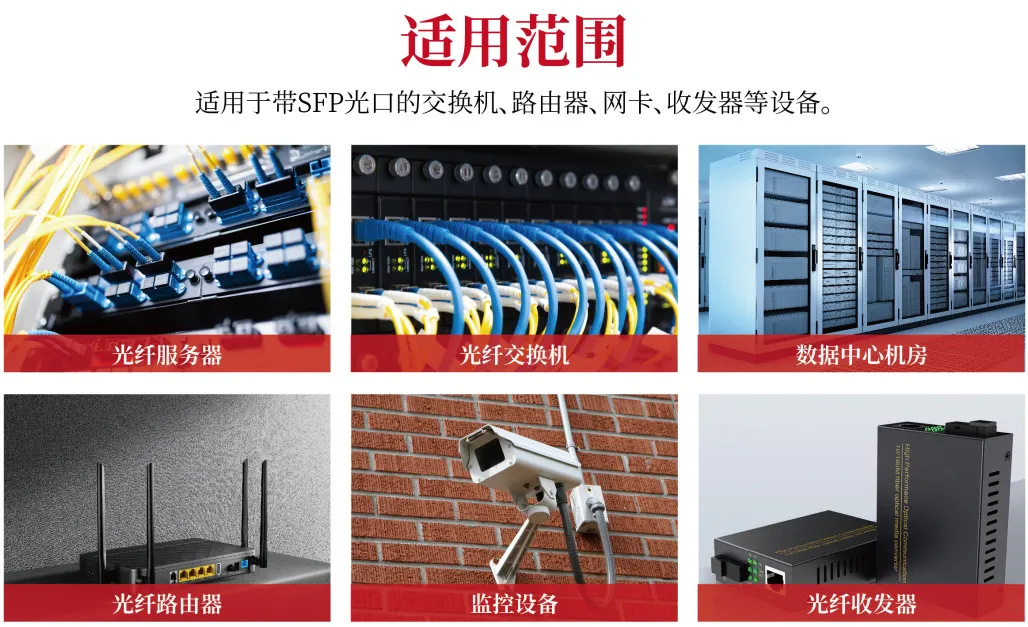
Data center: It is used for high-speed data transmission in network equipment such as servers, switches, and routers.
Telecommunication network: It is widely used in long-distance optical fiber communication to ensure the stability and reliability of data transmission.
Enterprise network: It is used for the construction of the internal network of the enterprise and provides efficient and stable data transmission solutions.
Need a quote, samples or selection support?
Fill in the part number, quantity and lead time. Samples are available for evaluation, and selected parts are free of charge. Our FAE team will be glad to confirm the options for your project. Not sure about a parameter? Enter "Not sure". Need something non-standard? Choose Custom Design.
Before you order: samples, MOQ, lead time and import duties in our ordering guide →